E-Mobility

AFIR: Understanding the Regulations and New Requirements for Charging Stations in 2027

The deployment of electric vehicles is accelerating in Europe, and with it, the need for reliable, accessible, and interoperable charging infrastructure. To support this evolution and harmonize practices within the European Union, the AFIR (Alternative Fuels Infrastructure Regulation) establishes a common framework for the development of infrastructure dedicated to alternative fuels. A new milestone is [...]

How OCPP 2.1 enables bidirectional charging and smarter energy management

Since its release in 2020, OCPP 2.0.1 has gained significant attention and is now used to manage charging stations on the field. To address the evolving needs of the electromobility ecosystem, the Open Charge Alliance has been working on a new version of OCPP, OCPP 2.1, released in January 2025. In a nutshell, OCPP [...]

Enhancing smart charging using Machine Learning techniques

Introduction and context The use of electric vehicles has greatly increased in recent years. With the European Union voting to end sales of carbon dioxide–emitting cars by 2035 [1], that trend is expected to continue. Due to that trend, however, the transport sector’s electricity consumption increased sixfold between 2018 and 2022 [2]. Its growing [...]

Electrifying Momentum: OCPP 2.0.1 and the Unfolding E-Mobility Evolution

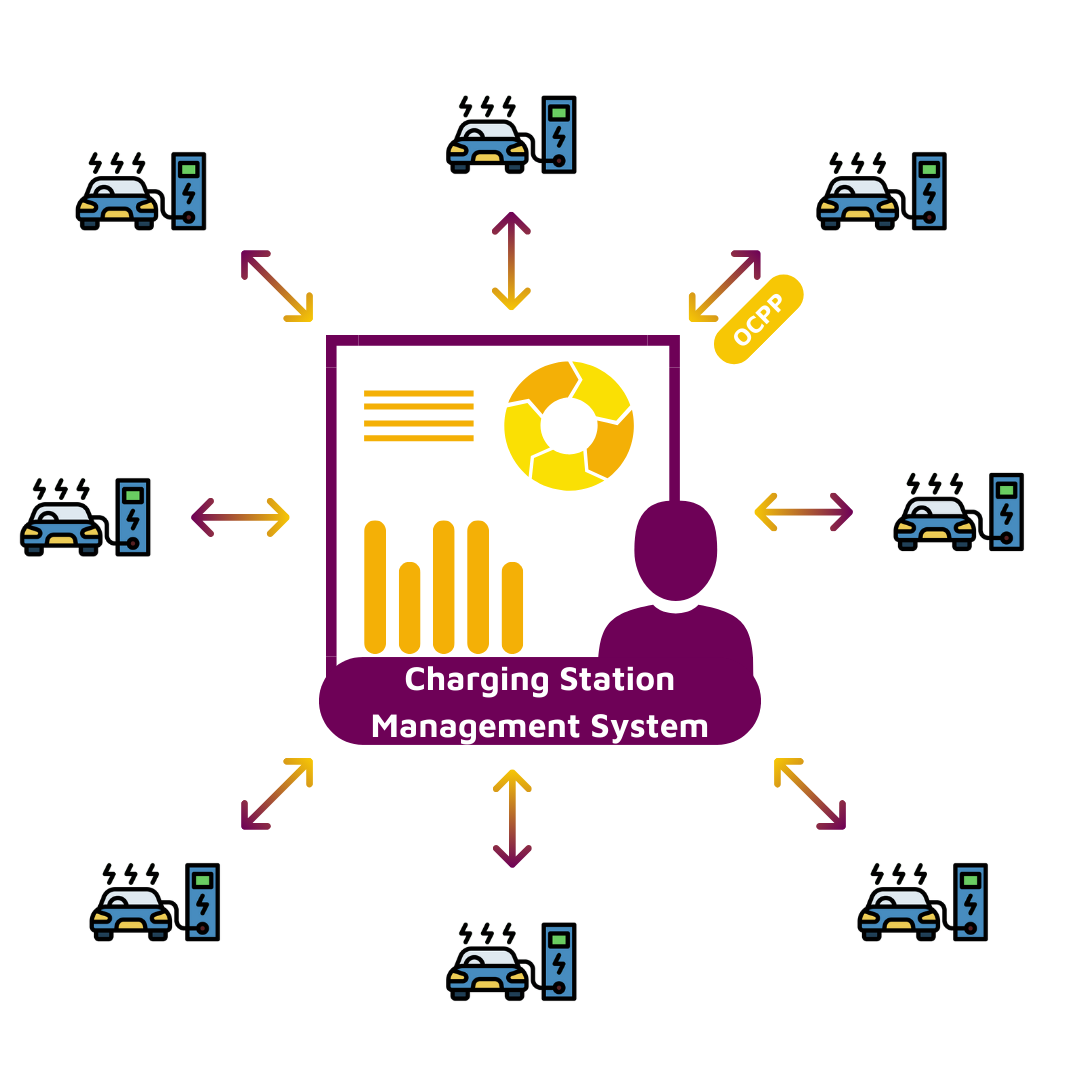
Since its release in April 2020, OCPP 2.0.1 has gained significant attention as the latest version of the Open Charge Point Protocol (OCPP) maintained by the Open Charge Alliance (OCA). OCPP is the protocol responsible for handling communication between a charging station and its backend management, such as a charging station management system (CSMS). [...]

ISO 15118-20, not only a further step towards bidirectional charging

The ISO 15118-20 standard, published in April 2022, extends the ISO 15118-2 standard released in 2014. In addition to improving the functionalities covered by ISO 15118-2 (AC and DC charging, Plug and Charge, Smart Charging), ISO 15118-20 expands the range of possibilities and use cases by specifying bidirectional, wireless and pantograph charging. As a [...]

Proof of concept: Augmented reality for electric vehicles

Augmented reality allows us to enrich reality with virtual elements. Information is superimposed, and 3D objects complete the reality to obtain an augmented version. This technology has applications in many different fields, such as video games, museum visits and industrial processes. The communication between electric vehicles and charging stations is part of Trialog's expertise, [...]

The impact of the integration of electric vehicles in the electric grid

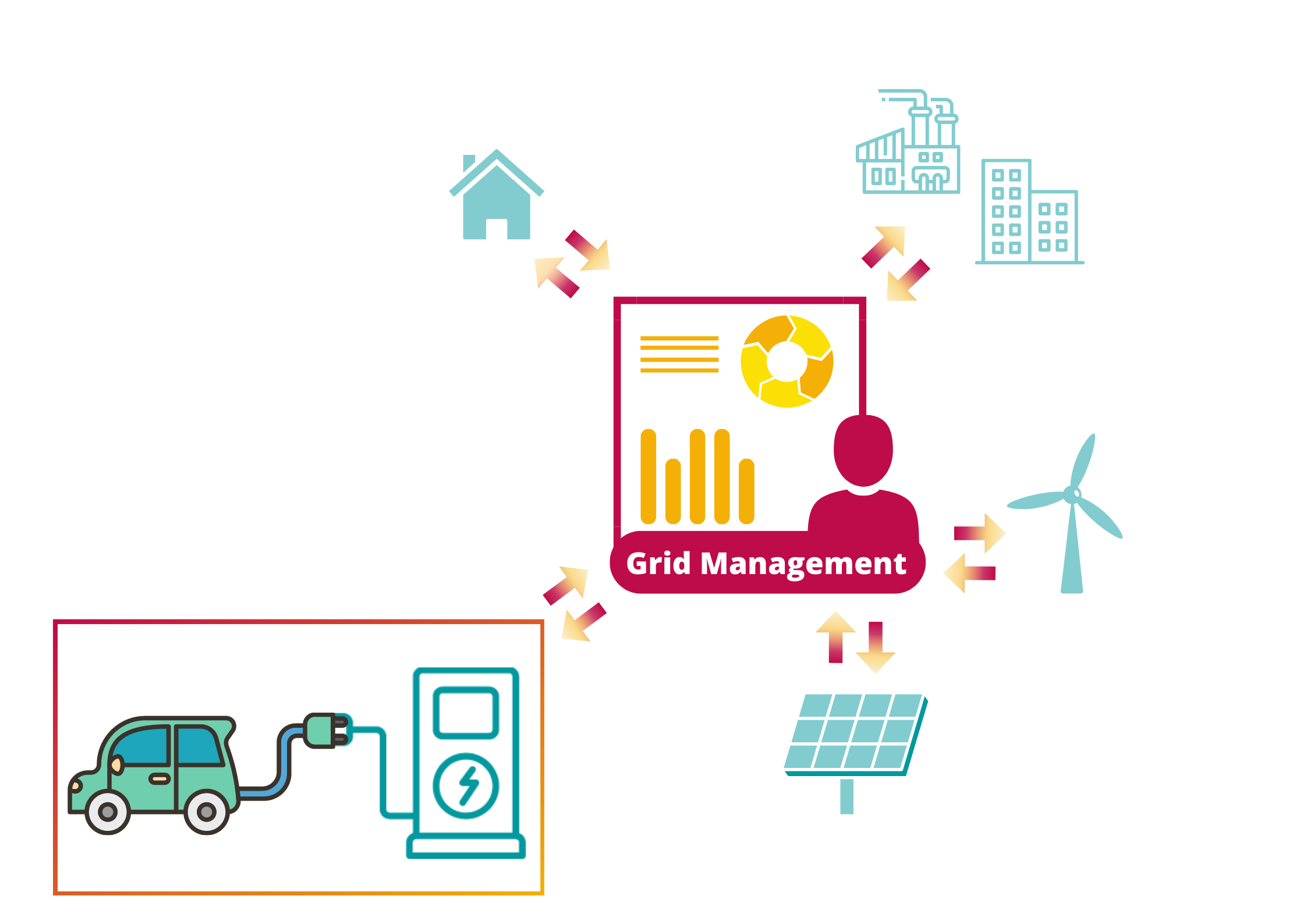
The rapid development of Electric Vehicles (EVs) may in the near future threaten the stability of the electric grid. In order to deal with this issue, new charging technologies offer to modify the load of EVs to provide services to the grid, enabling it to reduce their impact. In the past few years, Trialog [...]

Our feedback on the International Electric Vehicle Symposium EVS32

A look back at the 32nd edition of the International Symposium on Electric Vehicles The 32nd edition of the Electric Vehicle Symposium (EVS32), the annual meeting of electromobility ecosystem actors, was held in Lyon from 19 to 22 May, under the theme "A world of E-motion". The EVS32 was structured around scientific and industrial [...]

An innovative recharging solution in the collective residential sector

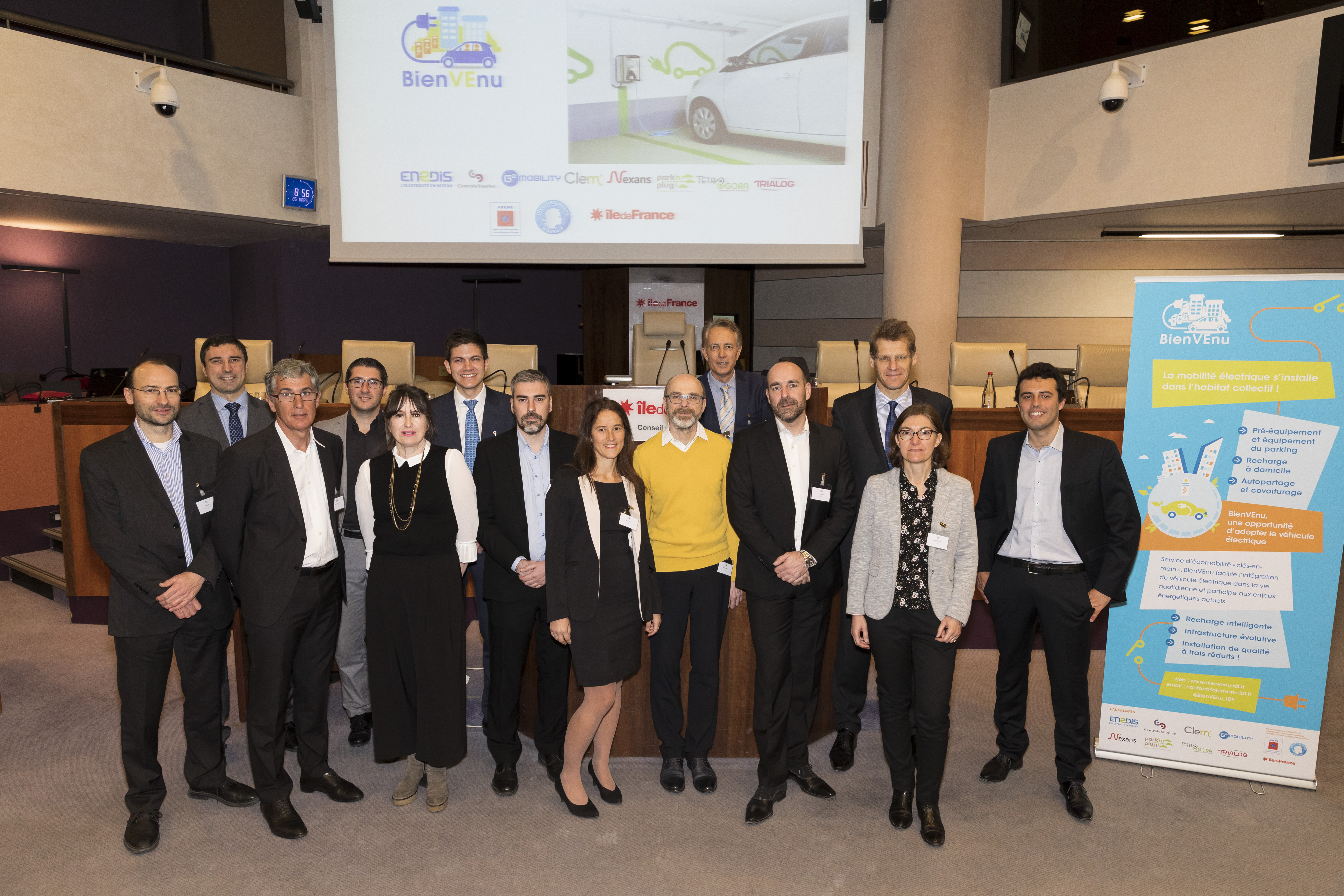
After 3 years and 6 months of experimentation in Ile de France, BienVEnu, the experimentation project for an innovative charging solution in the collective residential sector, has ended. On Tuesday 26 March, the closing event of the project was held in the hemicycle of the Ile-de-France Regional Council. The opportunity for the project partners [...]

TRIALOG contributes to OCPP 2.0 protocol development

As a continuation of its activities to define inter-system interfaces to ensure interoperability and support for the development of the electromobility ecosystem, Trialog contributes to the testing and validation of the OCPP 2.0 protocol. OCPP is an open and interoperable communication protocol designed for the management of electric vehicle charging infrastructure. It is used in [...]

Go to Top